

A Word About Control
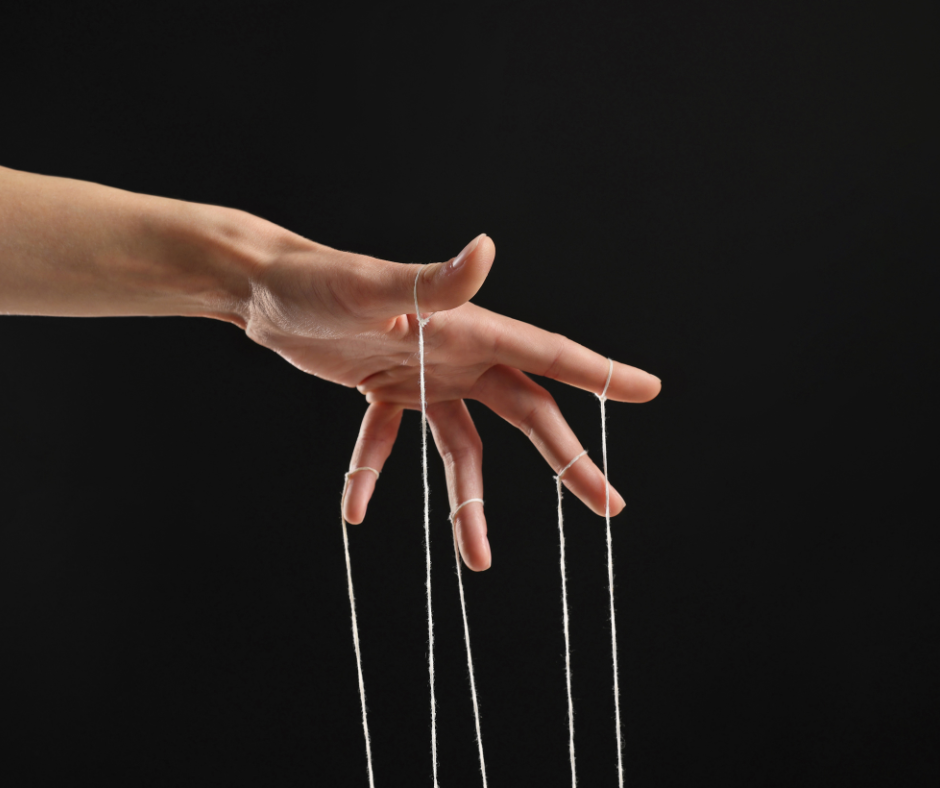
Control.
It’s a thing. A big thing.
We all crave it. We want the kind of control that gives us the greatest results with the least amount of effort. I’m not immune to that desire either. I have to consciously lay it down, again and again.
In the world of dog training, control shows up in many forms. Some trainers lean heavily on aversive methods. Others are all-in on positive reinforcement. And many fall somewhere in between. It’s a sticky topic, one that stirs up strong opinions and passionate debates.
I’m not looking to debate training methods, but I do want to reflect on what my ultimate goal is and it’s quite simple: relationship. That’s the heart of it all.
Every dog I’ve had has been different. While the mechanics of training behaviors may be the same, the approach must shift depending on the dog’s personality. That’s where relationship comes in. It’s my job to understand each dog’s strengths and weaknesses and train accordingly.
Things I Consider When Training
1. The Dog’s Personality
Some dogs are naturally easygoing and eager to please. Others respond best to food, praise, or play. Then there are the more complex ones - the dogs that challenge us, stretch us, and ultimately make us better trainers. As frustrating as they may be at times, they push us to dig deeper and get creative. Understanding what motivates each dog is the first step toward meaningful and lasting progress.
2. My Training Techniques
Just a quick note to clarify that I’m not interested in debating aversive versus non-aversive training methods. I will say that fear-based approaches aren’t part of my philosophy. My approach is flexible and based on how each dog thinks and responds. It’s not about forcing behavior; it’s about guiding the dog in a way that builds trust and genuine willingness.
3. No Harsh Control Tactics
When fear enters the training equation, everything shifts. The dog begins to operate from a mindset of ‘I have to — or else,’ which undermines trust and connection. In my experience, fear-based tactics often turn the focus away from the dog’s growth and toward the trainer’s need for control or success. The relationship suffers, and the learning becomes less about partnership and more about compliance. True progress comes when we guide, not intimidate, when we build a foundation of trust, not fear.
Frustration and impatience are real, especially when progress feels slow. But I’ve learned that positive reinforcement creates something invaluable: a dog that wants to work with you, not one that has to. Yes, it takes longer. But the result? A confident, connected companion.
🐾 Bruce’s Journey: A Lesson in Patience
We’ve been working on loose leash walking with Bruce for five years. Yes, five. I’ve tried clicker training, treats, wrapping the leash around his rib cage for gentle auto-correction and probably a few other things I’ve forgotten. Bruce is a puller. My dear friend and training guru often jokes that he’s ‘the Walmart greeter’ — always needing to go see what or who is “over there.” But lately, we’re seeing real progress. Not perfect, but definitely better!
Could I have used a choke chain or pinch collar? Sure. It would have been a lot faster for sure. But it would have changed everything, our relationship, Bruce’s confidence, and the joy we find in training together.
Control isn’t the goal. Connection is.
And when we train with patience, empathy, and consistency, we build something far more powerful than obedience, we build trust.
If the goal is simply to be right and maintain control at any cost, success may come, but often at the expense of the relationship. For me, this journey is about mutual growth.
As humans, we have the capacity for greater understanding, and it’s our responsibility to use that wisely, not to dominate, but to guide with compassion.
Sandy
Control leaves no room for trust ~ Glennon Doyle
