

Mind Your Mouth
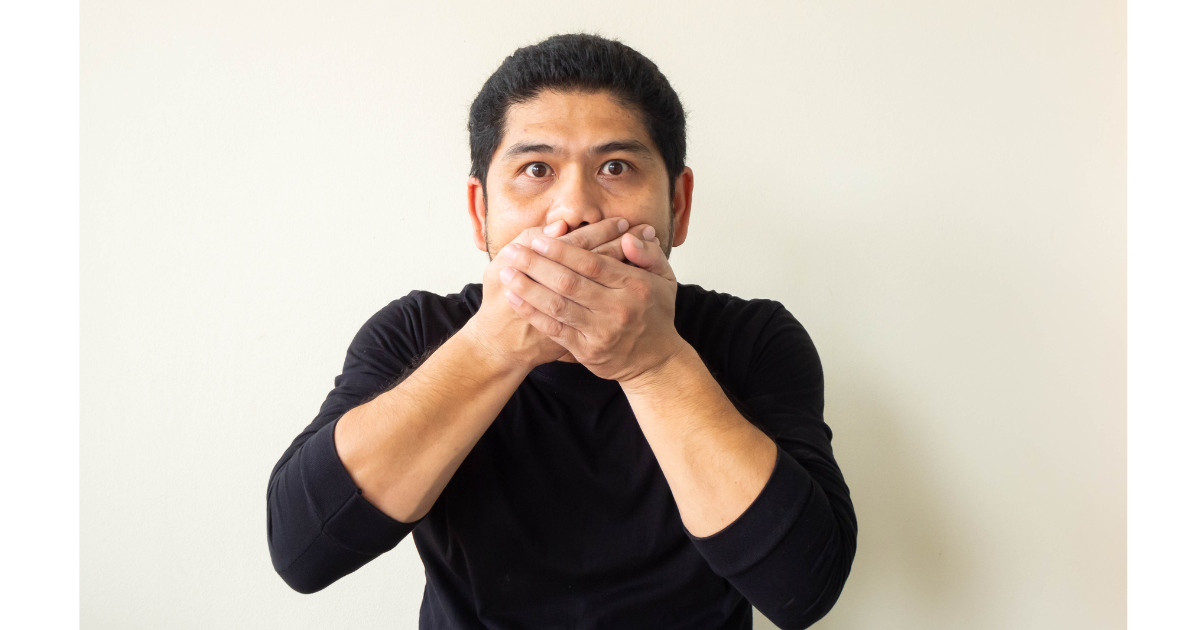
Words matter.
I was reminded of that truth a few years ago in a simple moment that stopped me in my tracks. I jokingly referred to my dogs as “dumb and dumber,” expecting a laugh. When I didn’t get a reaction, I repeated it. The response that came back caught me completely off guard:
“If you want your dogs to act that way, keep calling them that.”
Ouch.
As Blake Shelton once said on The Voice, “That just blew my brain out of my head, into the toilet, and the toilet flushed itself.” That was exactly how it felt. What I thought was harmless humor was actually shaping expectation—maybe even behavior.
Scripture speaks directly to this.
Proverbs 18:21 reminds us, “The tongue has the power of life and death, and those who love it will eat its fruit.”
We’ve all heard the saying, Once you squeeze the toothpaste out, you can’t put it back. The same is true with our words. Once spoken, they carry weight. They land somewhere. They leave an imprint.
Sarcasm may be the most dangerous form of speech. It is truth shrouded in what seems like jest. It sounds playful on the surface, but underneath, it often carries quiet judgment or criticism—and it wounds more deeply than we realize.
Words have the power to crush someone’s spirit. I’ve done that to others, and it’s been done to me. Careless labels, sharp comments, truths delivered without kindness—they tend to linger long after the moment has passed.
But the opposite is also true.
We all want to be noticed. We want to be seen. We want to connect.
I saw this so clearly while teaching kids Sunday School. I casually mentioned to one of the boys that he had a gift for thinking things through—and for bargaining. As soon as the words left my mouth, I watched it happen. His head lifted. His brow raised. His whole body language shifted.
“I didn’t even know I was good at that,” he said.
In that instant, something changed. A seed was planted—not because of a lesson plan or a sermon, but because someone noticed him and named something good out loud.
That’s the power of words spoken with care.
Positive words can encourage. They can awaken possibility. They can reach someone who may be standing on the edge, unsure if they have anything to offer or if they’re even seen at all.
When words are spoken with love and anchored in truth, they become life‑giving. They don’t flatter. They don’t tear down. They build. They reveal. They invite growth.
So I’m learning—slowly—to be more intentional. To pause before I speak. To trade sarcasm for sincerity. To choose words that breathe life instead of eroding it.
Because words don’t just describe reality.
They help shape it.
Just some Monday musings.
Sandy
