

From Brokenness to Beauty: Turning Trauma Into Testimony
As we recognize Mental Health Awareness Month, it’s important to pause and reflect on the silent struggles many face every day. Mental health isn’t just about feeling “okay”—it’s about acknowledging the deep wounds that often go unseen and creating space for healing.
Please note: I am sharing personal experiences and observations, not professional mental health advice. If you are struggling, I encourage you to seek help from a licensed mental health professional or trusted support resources.
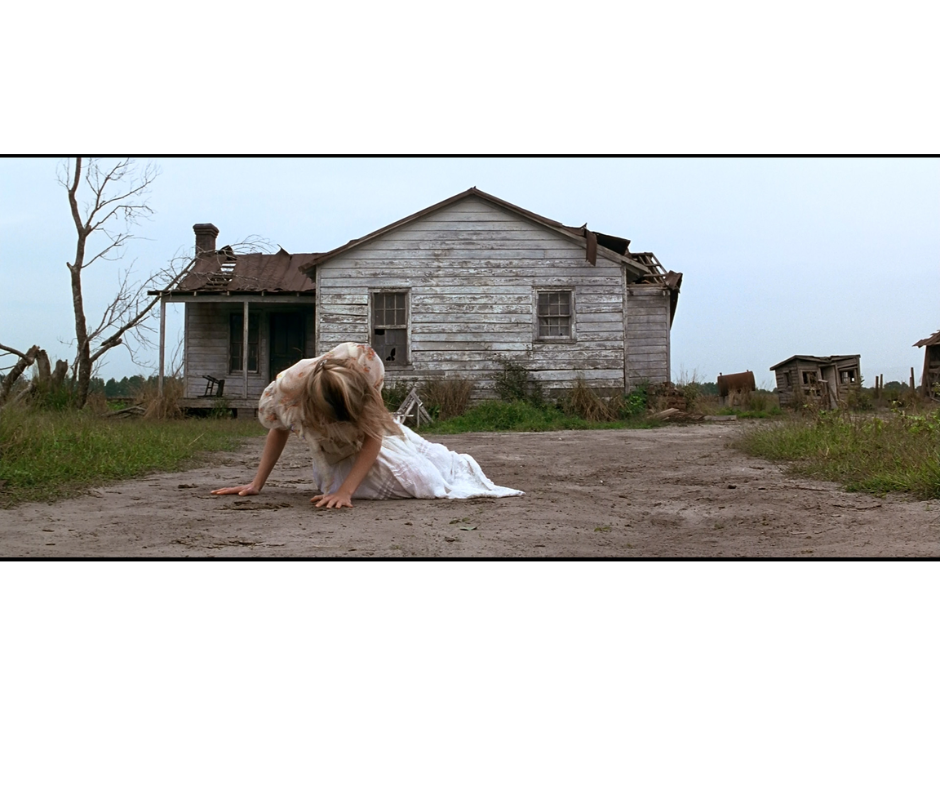
The scene in Forrest Gump is one of the most poignant moments in the film. Jenny returns to her childhood home—a dilapidated, abandoned house that holds the painful memories of her abuse and trauma at the hands of her own father. Overwhelmed by emotion, she begins picking up rocks from the ground and hurling them at the house, one after another, as Forrest quietly watches nearby. Her anger and grief pour out in silence, until she collapses to the ground, exhausted and broken. Forrest gently kneels beside her and says, “Sometimes, I guess there just aren’t enough rocks.”
This moment symbolizes the deep, unresolved pain Jenny carries and the futility of trying to destroy the past with sheer force. It’s raw, heartbreaking, and a powerful visual of trauma’s lingering weight.
Please hear my heart on this: trauma is not limited to physical or sexual harm. It can take many forms—physical, sexual, psychological, emotional, spiritual, or even financial abuse or control. Each of these can leave deep and lasting impacts, and all deserve to be acknowledged and addressed.
The Weight We Carry
When pain runs deep, we crave relief. Too often, that relief comes through unhealthy coping—numbing with substances, withdrawing from others, avoiding hard conversations, striving for perfection, battling suicidal thoughts, or erupting in anger like Jenny in that unforgettable Forrest Gump scene.
Trauma leaves invisible scars. It feels like carrying a backpack full of stones—each one a memory, a loss, a wound. Some days, the weight is bearable; other days, it crushes. When anger or sorrow rises, we look for “rocks” to throw—ways to release the pain. But the hurt often outnumbers the rocks.
Those “rocks” usually take the form of unhealthy coping mechanisms. We throw them hoping to shatter the pain, but they rarely bring peace. True healing begins when we stop throwing and start surrendering—laying those stones at the feet of Jesus, who offers rest and restoration.
When Rocks Aren’t Enough
The truth is, no amount of throwing will heal a broken heart. We can hurl every stone at our hurt, but the ache remains. That’s because healing doesn’t come from exhausting our supply of rocks—it comes from surrendering the weight to Someone stronger.
Jesus said in Matthew 11:28:
“Come to me, all you who are weary and burdened, and I will give you rest.”
When there aren’t enough rocks, there is always enough grace. God doesn’t ask us to carry the stones alone. He invites us to lay them down at His feet—every hurt, every scar, every wrong someone has done to us, and every unanswered question.
I must say that just reading your Bible and praying more is a good start but if this is you, you need support. If you are experiencing abuse, here are a few helpful websites:
Is This Abuse? | Sheltering Wings
Building Something New
Instead of throwing rocks in anger—or even after we’ve thrown them—what if we let God use those same rocks to build an altar of remembrance? A place where we can say, “Here is where He met me. Here is where healing began.” The rubble of trauma can become the foundation of testimony when we trust the One who makes beauty from ashes.
If you’ve ever felt like there aren’t enough rocks to hurl at the hurt, you’re not alone. Healing isn’t about finding more rocks—it’s about finding more grace.
There’s a lot of healing that needs to take place, but you WILL get there. When the weight feels unbearable, remember: the cross was enough. Lay your stones there.
Keep reaching out until you find someone you trust—someone who truly understands where you are and can offer practical tools to help you move forward. Someone who knows that sometimes, there just aren’t enough rocks. I have been there and I feel your pain.
This is not the end of your story.
There is always hope, and you do have a future.
Much love,
Sandy
