

Gentle Parenting …. My dog???
“Gentle parenting” is everywhere right now.
Books. Podcasts. Instagram reels with toddlers calmly negotiating like tiny diplomats.
It’s a modern approach built on empathy, respect, connection, and healthy boundaries.
Honestly? That sounds pretty great.
But like many of us raised by Boomer parents, my childhood version of “gentle” parenting was… different.
You might remember this line:
“If you keep crying, I’ll give you something to cry about.”
Comforting, right?
So the idea of gentle parenting sometimes feels like learning a new language—one rooted in compassion instead of control.
But here’s what surprised me:
I’ve already been practicing “gentle parenting” for years…
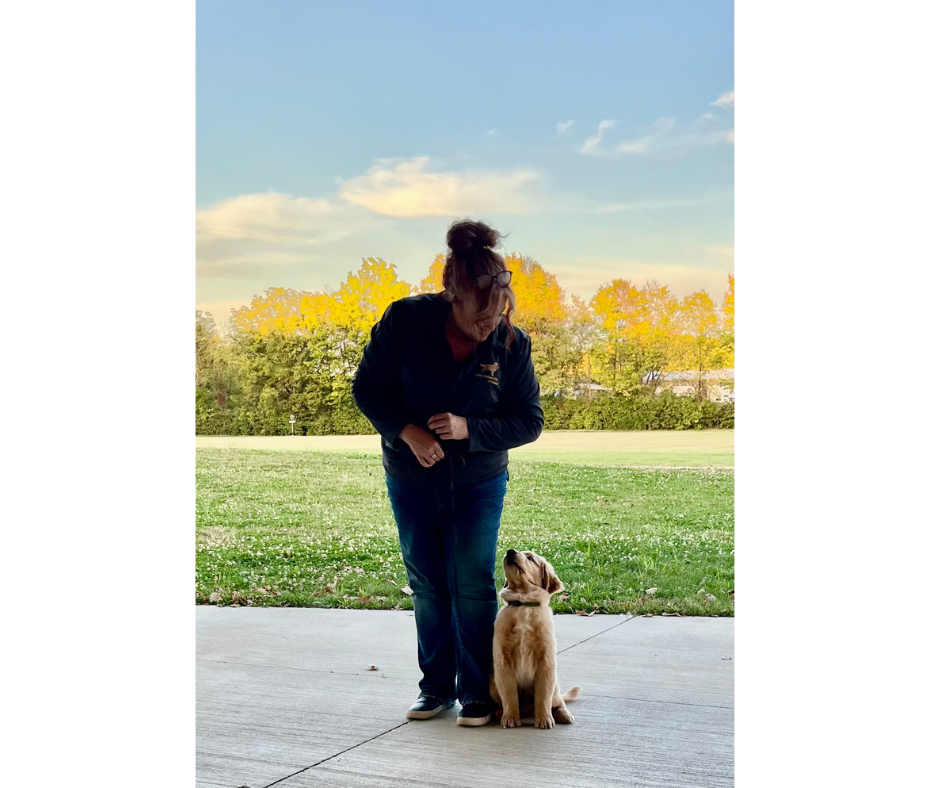
with my dog.
Wait… gentle parenting my dog?
Stay with me.
In dog training—good dog training—the principles look a whole lot like the heart of gentle parenting:
Understanding instead of punishment
Relationship instead of dominance
Connection instead of fear
Boundaries that guide, not break spirits
And every time I work with a dog, especially therapy dog work, I’m reminded:
This is how God parents me.
Slow to anger.
Rich in love.
Correcting with kindness.
Leading with compassion.
Inviting me back when I wander off.
Psalm 145 says, “The Lord is gracious and compassionate, slow to anger and rich in love.”
That is not a fear‑based training philosophy.
That is a gentle one.
Where “discipline” really comes from
Here’s something that changes everything—whether you’re parenting kids, training dogs, or trying to understand how God parents you:
The word discipline comes from the Latin discipulus, meaning:
“student,” “learner,” “one who is being taught.”
It’s the same root as disciple.
Later it became disciplina, which meant:
instruction
teaching
training
forming someone
Not punishment.
Not intimidation.
Not domination.
From the very beginning, discipline meant guiding someone toward growth, not scaring them into obedience.
When we understand that, gentle parenting—and gentle dog training—suddenly make perfect sense.
They’re not about letting anyone (child or dog) do whatever they want.
They’re about teaching, forming, shaping, mentoring.
The very thing God does with us.
Dogs learn like we do—through love, safety, and consistency
Here’s the truth, learned from 20+ years of training:
A dog learns best when they feel safe.
Not when they’re afraid of being punished.
Not when they’re confused or intimidated.
Not when they’re trying to guess whether you’re calm today or frustrated.
They thrive when they trust you.
When they know your voice.
When your correction comes with clarity, not anger.
When your boundaries are solid and predictable.
Isn’t that the same with us?
We grow best when we feel secure in God’s love.
We respond to encouragement.
We transform through patience.
We soften through mercy.
Dogs feel that too—because God created them relational creatures.
Gentle doesn’t mean permissive
Some folks hear “gentle parenting your dog” and picture chaos—dogs chewing shoes with no consequences, eating off the counter, or barking at will.
Nope.
Gentle doesn’t mean weak.
Gentle means wise.
It means:
Redirecting instead of reacting
Teaching instead of intimidating
Correcting with calm clarity
Providing structure rooted in kindness
Exactly like God does with us.
Discipline as discipleship.
Guidance that shapes without shaming.
What gentle dog handling reveals in me
Dogs are mirrors.
If I’m anxious, they feel it.
If I’m patient, they settle.
If I’m harsh, they shrink.
If I’m calm, they breathe easier.
Gentle dog training has revealed parts of me that still need God’s touch:
My quickness to frustration
My desire for control
My impatience with slow progress
My tendency to expect perfection
And every time I kneel down and take a deep breath next to a dog who’s still learning, I hear God whisper:
“This is how I treat you.”
So yes… I guess I do gentle parent my dog
And honestly?
I think that’s a good thing.
Because if my dog learns from me the same way I learn from God—through patience, consistency, compassion, and love—then maybe I’m becoming a little more like the One who leads me gently.
Gentle with myself.
Gentle with others.
Gentle with this four‑legged creature who looks to me for safety.
Parenting a dog might not be the same as raising a child…
but the posture of the heart isn’t all that different.
Gentleness is a fruit of the Spirit.
Discipline means teaching.
And God uses dogs, of all things, to help grow both in me.
Sandy
